1 more to show
Packaging plays an important role in how vape products are presented, stored, shipped, and recognized. Custom vape boxes protect the products, keep their components organized, and give customers a clear impression of the brand. For businesses selling vape pens, cartridges, disposable vapes, e-liquids, and vape accessories, packaging must balance product fit, practical protection, and visual appeal.
Our customized vape boxes let brands choose packaging that fits their product dimensions, material needs, and visual identity. From simple kraft cartons to premium rigid boxes, businesses can select structural designs, printing methods, finishes, and inserts that meet their packaging goals.
Every product has different packaging requirements. A lightweight cartridge may need a compact carton with a fitted insert, while a vape mod kit containing several components may require a larger box with separate compartments. Choosing the right combination of structure, material, and internal support creates packaging that works for the product, not just one that looks attractive.
Whether you are launching a new vape brand or updating an existing product line, the right custom packaging can improve shelf presentation, support organized shipping, and create a consistent brand experience.
Vape packaging offers several benefits for growing brands, from protecting products during handling and shipping to creating a recognizable retail presentation. Well-designed packaging helps customers identify your brand, builds trust through a professional appearance, and creates a positive first impression. It keeps products organized and strengthens brand recognition. It also ensures consistent product presentation across retail stores and online orders.
Below are some benefits of custom vape boxes.
Vape products and accessories can contain small, delicate, or electronic components that need protection during storage and transport. A properly sized box reduces unnecessary movement, while a suitable insert holds individual components in place.
The level of protection depends on the product, packaging material, internal support, and shipping conditions. For long-distance shipments, businesses should consider the complete packaging system, including the retail box, protective inserts, and outer shipping carton.
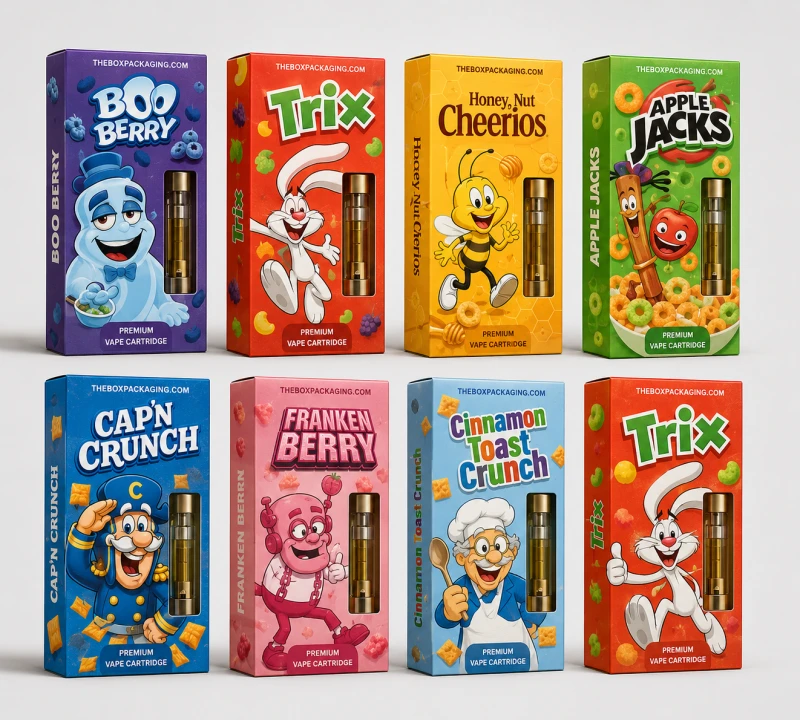
Packaging is often one of the first things customers notice when comparing products. Clear typography, balanced colors, consistent branding, and a well-proportioned structure can help a product stand out without looking crowded.
Brands can choose bold graphics for a distinctive retail appearance or use minimal artwork for a clean, understated presentation. The design should reflect the brand's identity while keeping important product information easy to read.
Consistent packaging helps customers identify a brand across different products and product lines. Carry logos, brand colors, typography, and graphic elements across vape pen boxes, cartridge packaging, and accessory cartons.
A coordinated design system also makes it easier to introduce new products without creating an entirely different visual identity for every package.
The opening experience depends on more than the outer design. A suitable box style, well-positioned insert, and orderly product arrangement can make the contents easier to access and understand.
Drawer boxes, sleeve-and-tray designs, and two-piece boxes offer different opening experiences. The best choice depends on the product, intended presentation, required protection level, and packaging budget.
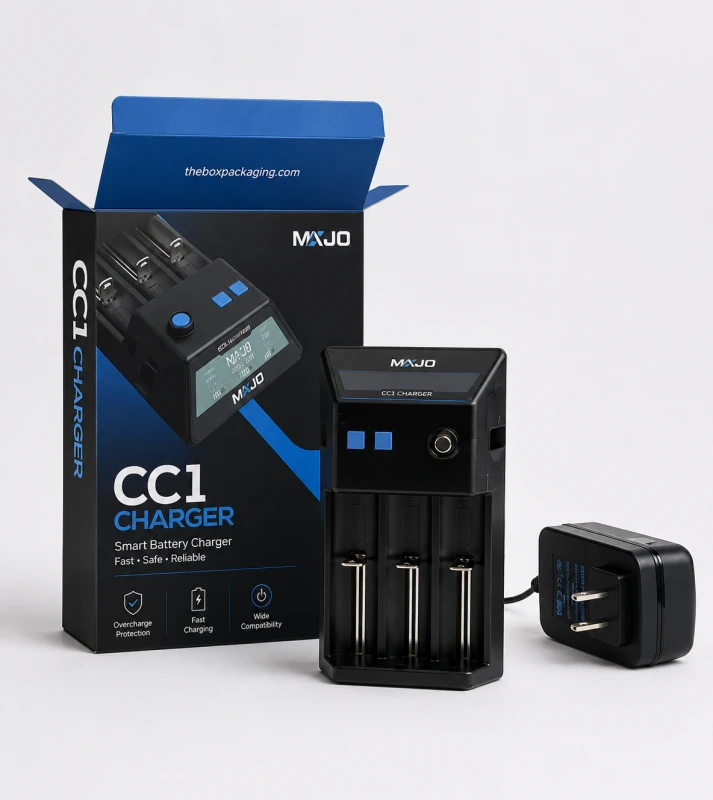
Packaging with well-designed compartments helps keep products and accessories organized inside the box. This can be useful for vape mod kits that include a device, accessories, and other components.
An organized interior also makes it easier to confirm that all intended components are present before closing the package.
Printed packaging provides space for branding, product identification, instructions, and other relevant information. Depending on the product and applicable requirements, the artwork may also include warnings, usage information, ingredient details, or other required labeling.
Review artwork before production to confirm all information is accurate, readable, and appropriate for the product's intended market.
Material selection affects a package's appearance, weight, structure, printing quality, and cost. The most suitable option depends on product weight, dimensions, fragility, presentation requirements, and shipping conditions.
Cardboard
Cardboard is a practical packaging material for vape products because it combines a lightweight structure with a printable surface. It can be shaped into different box styles and customized with brand logos, product details, and graphics. Depending on its thickness and construction, cardboard packaging can support lightweight vape products while keeping packaging compact and easy to handle. It also allows brands to use different printing and finishing options to create a consistent retail presentation.
Kraft Paper
Kraft paper offers a natural look for brands seeking eco-friendly packaging. Its brown surface suits minimalist designs and simple branding. Kraft boxes made from recyclable paper fibers can help reduce packaging waste, depending on their coatings and local recycling facilities.
Corrugated Packaging
Corrugated board contains a fluted layer between liner sheets, creating a structure commonly used for shipping and transport packaging. Its construction can provide cushioning and stiffness when the board grade and box design are appropriate.
Corrugated packaging is particularly useful for shipping multiple retail packages or products that need additional protection during distribution. It may also suit certain product boxes when the required structure and appearance fit the application.
Rigid Paper
Rigid paperboard is a thick, sturdy material used for premium vape packaging. Its solid structure helps maintain the box's shape and provides an elegant presentation for vape kits, devices, and accessories. Rigid boxes can feature custom printing, foil stamping, embossing, or soft-touch finishes to create high-quality packaging that reflects your brand's identity.
The box structure determines how packaging opens, how the product is positioned, and how efficiently the package can be stored or displayed. Start by considering the product's physical requirements.
Tuck-end boxes use folding panels that tuck into the box body to close. They are a common choice for compact retail products and can be manufactured in different dimensions.
Depending on the specific design, tuck-end cartons may use straight-tuck or reverse-tuck construction. The correct closure depends on the board, product weight, opening direction, and packaging requirements.
These boxes can work well for lightweight vape accessories and compact product cartons.
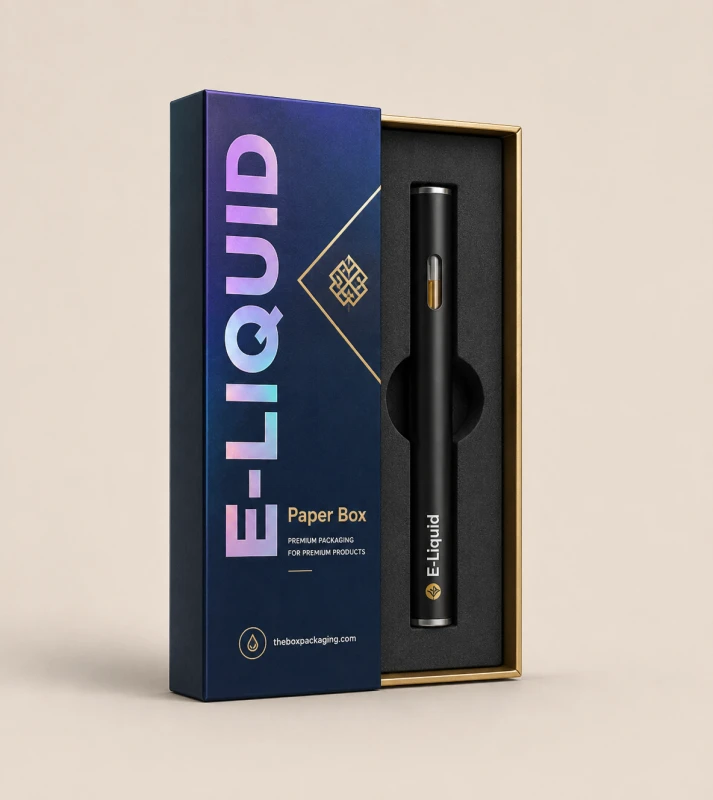
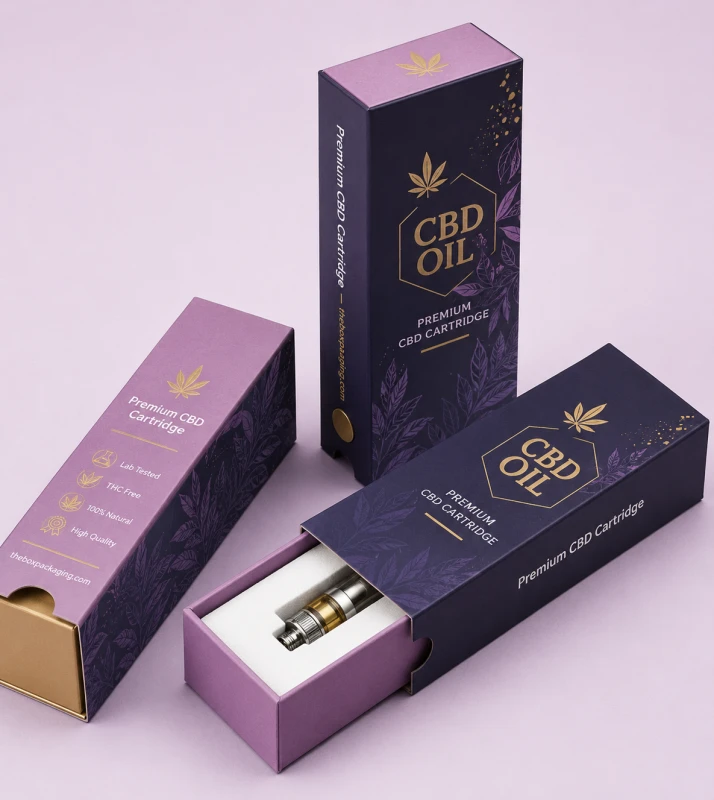
Sleeve-and-tray packaging consists of an outer sleeve and an inner tray that slides out. The design provides a distinctive opening experience while keeping the product supported by the tray.
You can add a fitted insert when the product needs more precise positioning. This style may suit cartridges, accessories, and selected premium retail products.
Test the tray dimensions and sliding clearance to prevent the package from being too tight or too loose.
Drawer-style boxes use a sliding inner compartment enclosed by an outer sleeve. They can create a more deliberate opening experience and provide a structured space for products and accessories.
This format may suit vape kits, accessories, or product sets that benefit from organized placement. Consider ribbon pulls or finger notches when the design supports them.
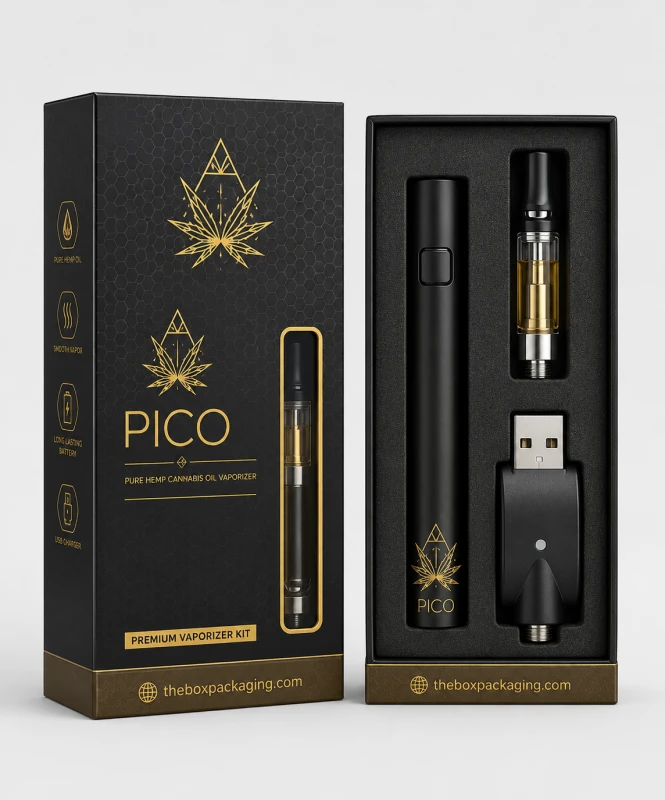
Two-piece boxes consist of a separate base and lid. Their structure provides ample surface area for branding and can create a premium presentation.
They suit selected product kits and accessory sets, especially when a fitted insert is needed to keep multiple items organized. Specify the base depth and lid fit carefully to make assembly and opening practical.
Display boxes present products in a retail setting. Depending on their construction, they may hold multiple individually packaged items and allow customers or retail staff to see the products more easily.
Design display packaging around the number of units, product dimensions, shelf space, and the weight the structure must support.
Mailer boxes use a folding corrugated structure suited to shipping and handling. With the right board grade and design, their construction can provide more support than a lightweight retail carton.
They can be useful for shipping product kits, accessories, or multiple retail packages. Additional protective materials may still be needed depending on the contents and shipping conditions.
Choosing the correct dimensions is essential for product fit, material efficiency, and protection. A box that is too large may let the contents shift, while a box that is too small may put pressure on the product or make closing difficult.
Custom sizes can be developed around the actual product and any inserts or accessories included in the package. Sample dimensions may be used as a starting point, but they should not replace physical measurements and fit testing.
When requesting a size, confirm the following:
Length: The longest measurement of the box base.
Width: The second measurement across the base.
Depth or height: The distance from the base to the top of the box.
Measurement convention: Confirm whether dimensions refer to the inside or outside of the finished box.
Product clearance: Allow sufficient space for the product and any required insert without creating excessive movement.
Closure clearance: Account for tuck flaps, sleeves, lids, and other structural components.
Insert dimensions: Measure the space needed to hold each component securely.
Dimension order can vary by supplier, so confirm the convention before approving production artwork or a sample.
For multi-component kits, measure the device, accessories, cables, and any other included items separately. A layout drawing can help determine whether components will fit without unnecessary space.
Printing gives your packaging a distinctive look while displaying your brand logo, colors, product names, and other details. Custom-printed vape boxes help businesses build consistent branding across product lines and present information clearly. The right printing method brings your artwork to life with sharp text, clear graphics, and balanced colors that suit your packaging material.
Digital Printing
Digital printing transfers artwork directly through a digital production process without requiring conventional printing plates. It works well for short runs, product variations, and designs that need flexibility.
This method may suit testing a new design or producing packaging for multiple product variations. Color consistency and final print quality should be confirmed on the selected material.
Offset Printing
Offset printing transfers ink through a plate-based process and is commonly used for printed packaging where consistent reproduction is important.
It suits larger production runs and detailed artwork. When comparing it with digital printing, consider setup costs, quantity, material, and finishing requirements.
Flexographic Printing
Flexography uses flexible printing plates and is commonly used for packaging materials and production applications that suit the process.
It may be an appropriate option for selected paper-based and corrugated packaging. Suitability depends on the substrate, artwork, print requirements, and production setup.
CMYK and Pantone Colors
CMYK printing uses cyan, magenta, yellow, and black to reproduce a broad range of colors. Pantone colors use a standardized color-matching system and may be useful when a brand requires a specific spot color.
The available color reproduction depends on the printing method and material. Kraft stock, coated paperboard, and uncoated surfaces can produce different visual results even when the same artwork is used.
For color-critical packaging, request a suitable proof and confirm how the selected substrate affects the final appearance.
Finishes influence a package's surface appearance, texture, and visual emphasis. They should complement the artwork and be selected according to the material and intended use.
Matte Finish
Matte finishes create a low-gloss appearance that can suit minimal, understated, and contemporary designs. They may also reduce reflected light on printed surfaces.
Gloss Finish
Gloss finishes create a reflective surface that can make colors appear more vivid. They work well when the design calls for a brighter, polished look.
Soft-Touch Lamination
Soft-touch lamination adds a smooth, velvety surface feel. It can be used for selected premium packaging designs, subject to material and production compatibility.
Spot UV Coating
Spot UV applies a localized glossy coating to selected areas of the artwork. It can highlight a logo, product name, or graphic against a matte background.
Plan placement with the printer to avoid conflicts with folds, creases, or other finishing operations.
Foil Stamping
Foil stamping applies a metallic or other specialty foil to selected areas of the packaging. It can emphasize logos, borders, or design details.
The final result depends on the foil color, surface, artwork, and production process. Metallic effects should be approved on a suitable sample when color and placement are important.
Embossing and Debossing
Embossing raises a selected area of the material, while debossing presses it into the surface. Both methods can add texture and visual depth to logos or other design elements.
Fine details may not reproduce equally well across all board grades. Review artwork size, material thickness, and finishing tolerances before production.
Varnish and Aqueous Coating
Varnish and aqueous coatings are surface treatments that can change the appearance of printed packaging. Depending on the selected formulation, they may provide matte or gloss effects and some surface protection.
Confirm compatibility with the ink, substrate, and other finishing treatments with the packaging manufacturer.
An insert is an internal component designed to hold products or accessories in a defined position. It can help reduce movement, separate components, and create a more organized presentation.
Foam inserts can be cut to accommodate particular product shapes. They may be useful for selected kits or components that need a shaped support.
Select the foam type, density, thickness, and cutout dimensions based on the product and intended use. Material compatibility and any relevant safety requirements should also be reviewed.
Cardboard inserts and dividers create compartments using folded or cut paper-based components. They can separate multiple items without requiring a custom foam shape for every part.
These inserts may suit product kits, accessory sets, and multi-unit packaging. Their effectiveness depends on the design, board stiffness, product weight, and shipping conditions.
A well-designed insert begins with accurate product measurements and an understanding of how the package will be handled. The design should account for each component's shape, weight, orientation, and how it will be removed.
Before approving production, confirm the product fits without excessive pressure, accessories stay in their intended positions, and the insert can be assembled consistently. A physical sample is especially useful when the packaging contains several components.
Different products require different packaging structures. Choosing a box based on the product and its components helps avoid wasted space and inadequate protection.
Vape Pen Boxes
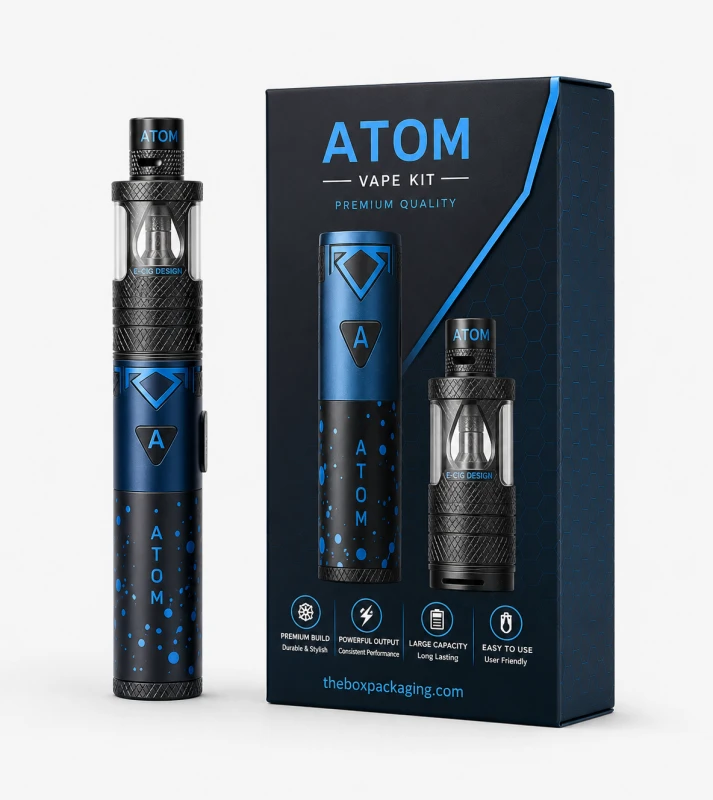
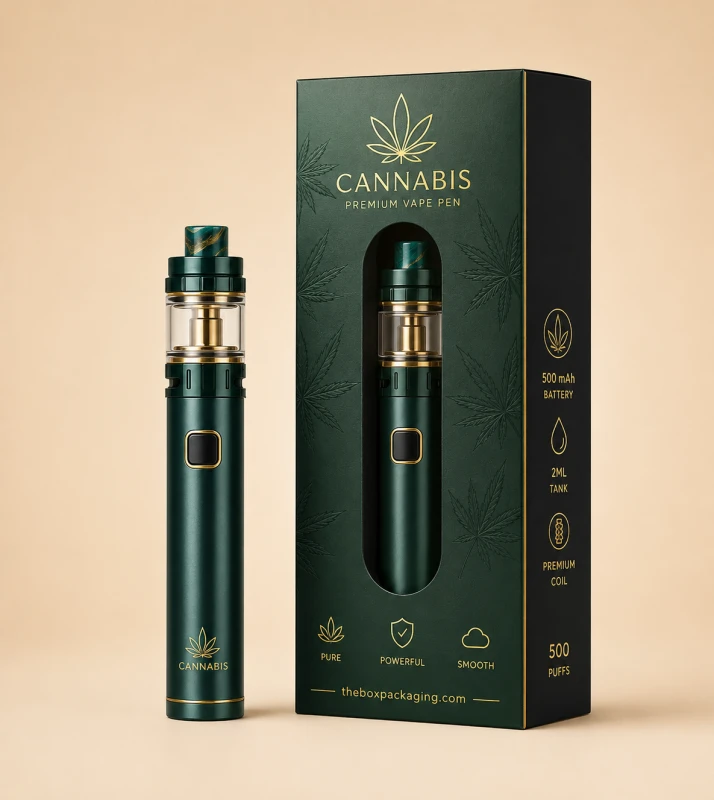
Vape pens may benefit from a narrow carton or fitted package designed around the device's length and shape. An insert can help keep the device in position and separate it from included accessories.
The design should account for the device's dimensions and any components supplied with it.
Vape Cartridge Boxes
Cartridges generally need vape cartridge packaging that fits their dimensions and prevents excessive movement. Small cartons, sleeve-and-tray boxes, or insert-based designs may be appropriate depending on the product and presentation requirements.
Design the package around the actual cartridge format rather than assuming all cartridges share the same dimensions.
Disposable Vape Boxes
Disposable vape products vary in size and shape, so measure the box for the exact model being packaged. A suitable carton can provide a clean retail presentation and space for required product information.
If you need additional protection, evaluate the board grade, internal fit, and shipping configuration together.
Vape Mod Kit Boxes
Mod kits may include a device and several accessories, so internal organization is especially important. A larger box with custom compartments can keep contents organized and help customers identify included components.
The insert layout should be based on the complete kit rather than the main device alone.
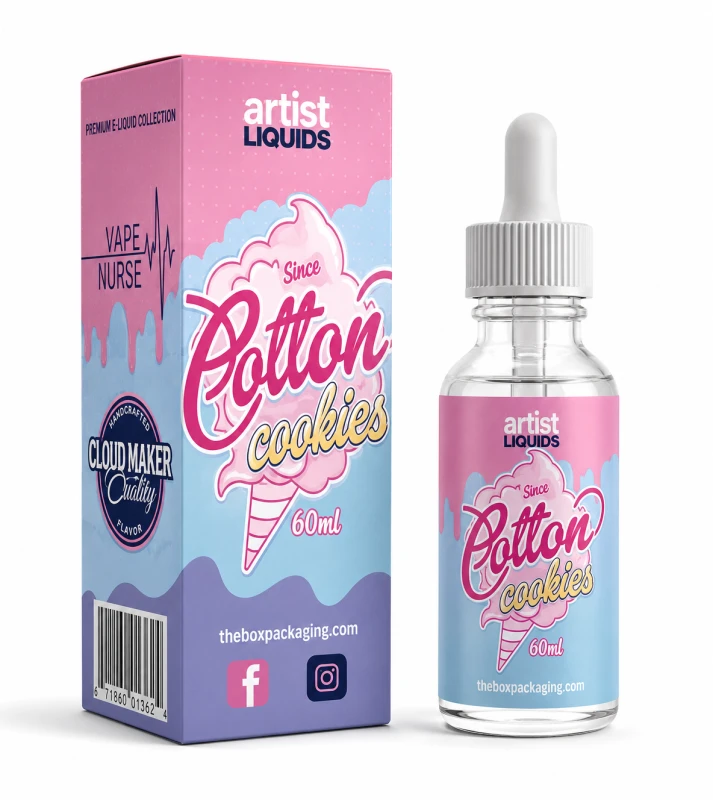
E-Liquid Packaging
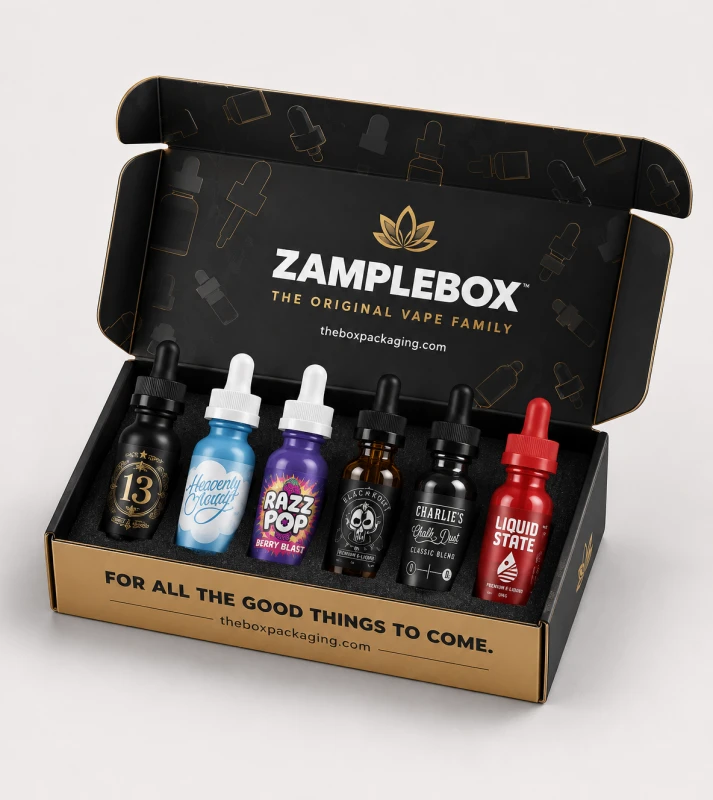
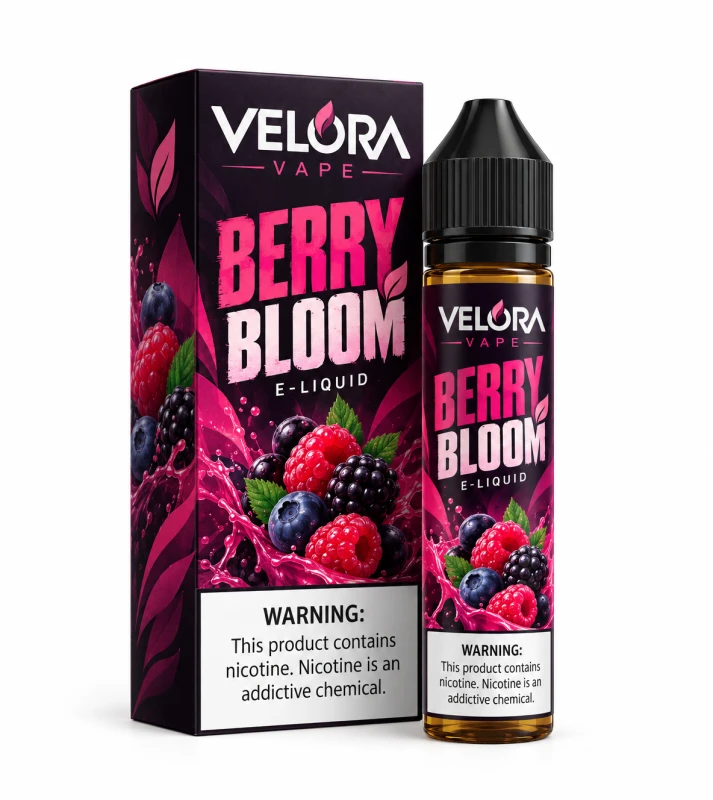
E-liquid packaging needs to accommodate the dimensions and closure of the specific bottle or container. The selected structure should fit well and account for movement during handling.
A folding carton may suit some products, while other applications may require additional internal support or protective outer packaging. Any leak-resistance or safety claim must be supported by the actual packaging design and testing.
Packaging requirements for vape, nicotine, CBD, and cannabis products depend on the product category, market, and applicable laws. Check these requirements before finalizing artwork and structural design.
Child-resistant packaging is designed and evaluated against applicable requirements intended to limit access by children. A standard box, tight closure, or decorative locking feature should not be described as child-resistant without supporting evidence.
Tamper-evident packaging uses a feature that indicates whether a package has been opened or tampered with. The feature must be appropriate for the product and must function as intended.
Product labeling may need to include specific warnings, ingredients, manufacturer details, or other information, depending on the product and jurisdiction. The brand should supply and approve the required wording before printing.
Selecting packaging is easier when you base the decision on the product, distribution method, brand goals, and budget rather than appearance alone.
1. Identify the Product and Its Dimensions
Measure the product and all components that will be packed with it. Confirm the intended box dimensions and whether measurements refer to the inside or outside of the finished package.
2. Select the Material
Choose paperboard, kraft, corrugated board, or rigid paperboard according to the product's weight, required support, presentation, and distribution conditions.
3. Choose the Box Structure
Decide whether a tuck-end carton, sleeve-and-tray box, drawer box, two-piece box, or mailer is best suited to the product and opening experience.
4. Plan Internal Support
Determine whether the product needs a foam insert, cardboard divider, or another internal component. For kits, map the location of each item before finalizing the design.
5. Prepare the Artwork
Supply high-resolution artwork, accurate product information, and approved brand assets. Confirm the dieline, folds, bleed, safe areas, and finishing locations with the packaging provider.
6. Select Printing and Finishes
Compare printing options and finishes based on quantity, color requirements, material, and budget. Avoid choosing decorative effects before confirming that they work with the selected substrate.
7. Review a Proof or Physical Sample
Check the artwork for spelling, color, dimensions, and alignment. Where fit and functionality matter, evaluate a physical sample to confirm that the box closes properly and the product sits securely.
8. Confirm Production and Delivery Details
Before placing an order, confirm the quantity, unit price, setup or tooling charges, production schedule, shipping cost, and any applicable minimum order requirements.
Ordering custom vape boxes wholesale lets businesses buy packaging in bulk and potentially reduce the cost per box. Pricing depends on the order quantity, materials, printing, and finishing options. Bulk orders also help businesses maintain a steady supply of packaging for ongoing production and customer orders.
At The Box Packaging, We provide custom vape boxes tailored to your product and branding needs. Choose from different materials, box styles, printing methods, and finishes to create packaging that reflects your brand identity.
Minimum Order Quantity: 100 units
Turnaround Time: 8–10 days
Custom Sizes and Styles
High-Quality Printing
Premium Finishing Options
Free Design Support
Bulk Ordering
Competitive Pricing
Contact us to discuss your packaging requirements and request a quote.
 Support Online Now
Our experts are just a click away! Get instant support for all your packaging needs.